
The Baiga tribe is one of the oldest and most distinct tribal communities of central India, primarily found in the states of Madhya Pradesh, Chhattisgarh, and parts of Uttar Pradesh. Traditionally forest dwellers, the Baigas have long lived in close harmony with nature, practicing shifting cultivation known locally as “bewar,” and relying heavily on forest produce for their livelihood.
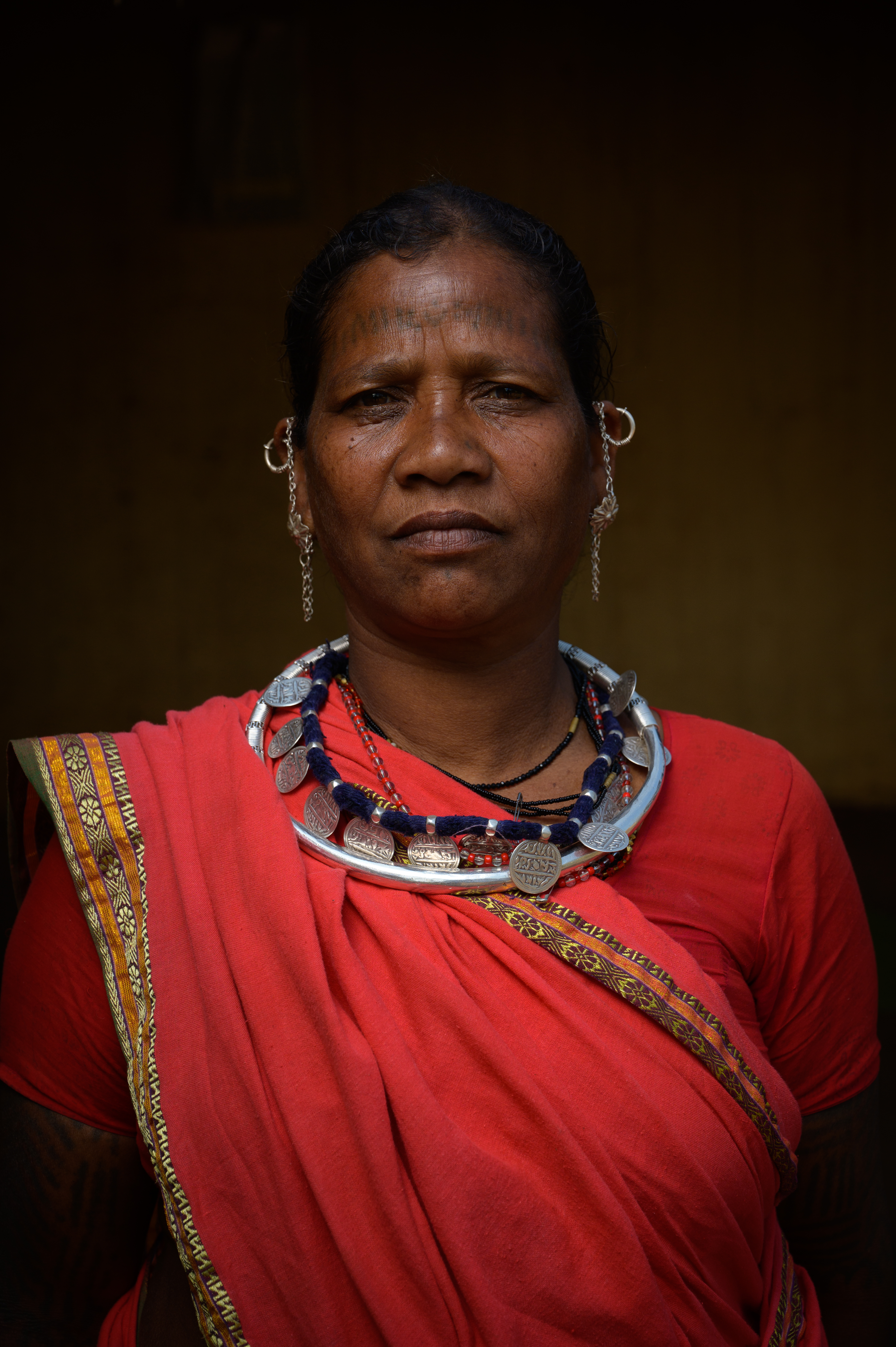
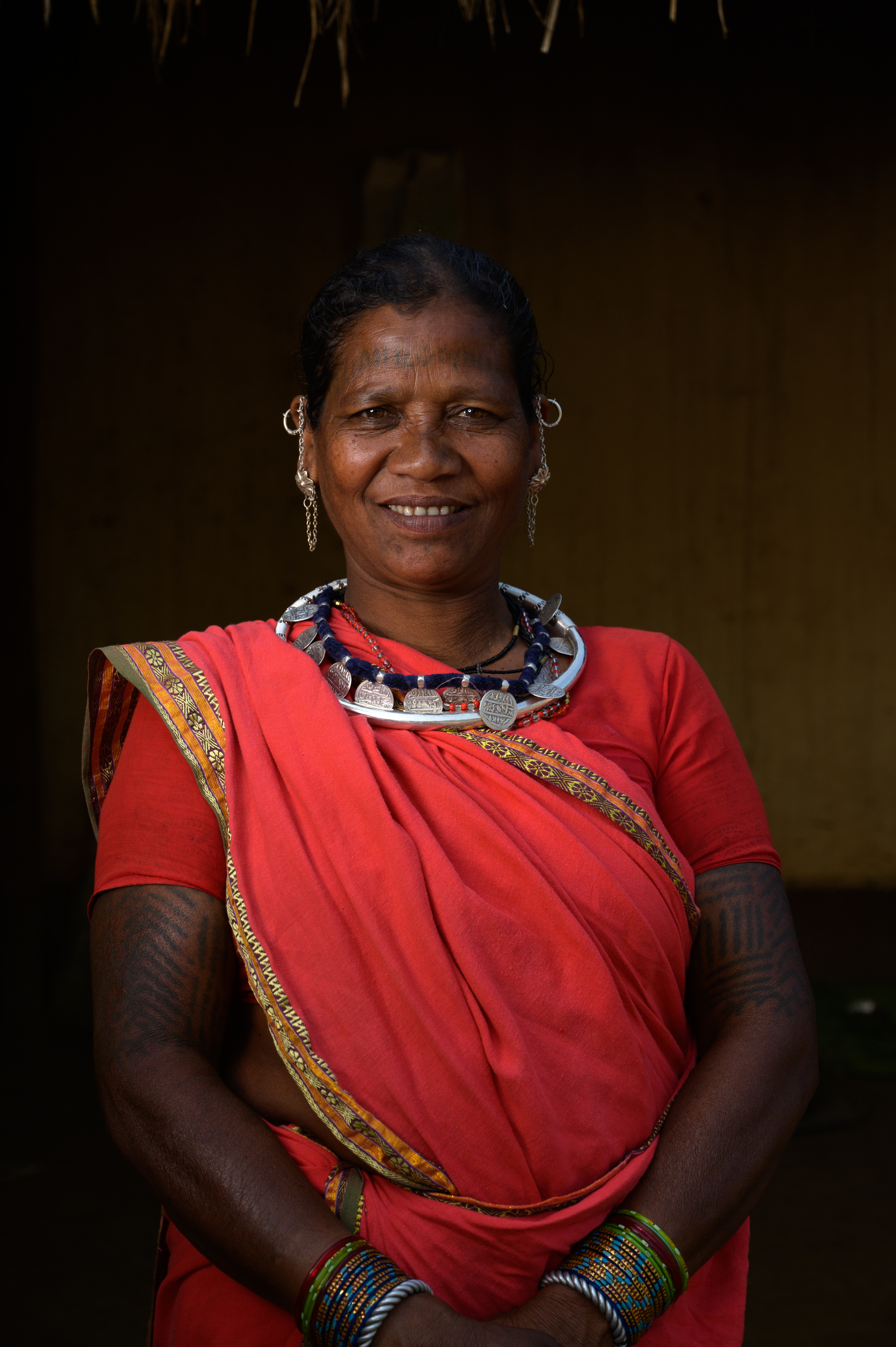
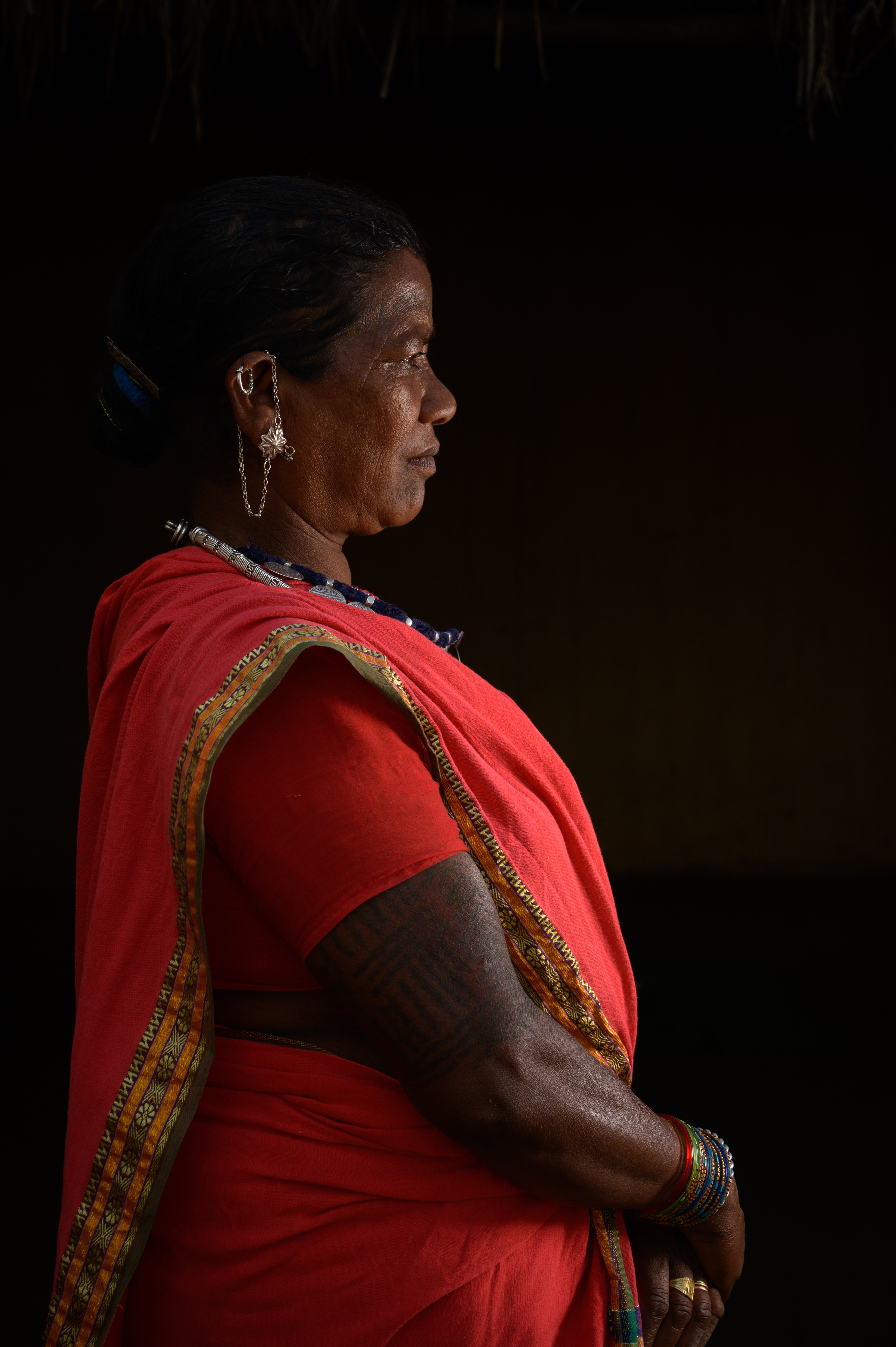
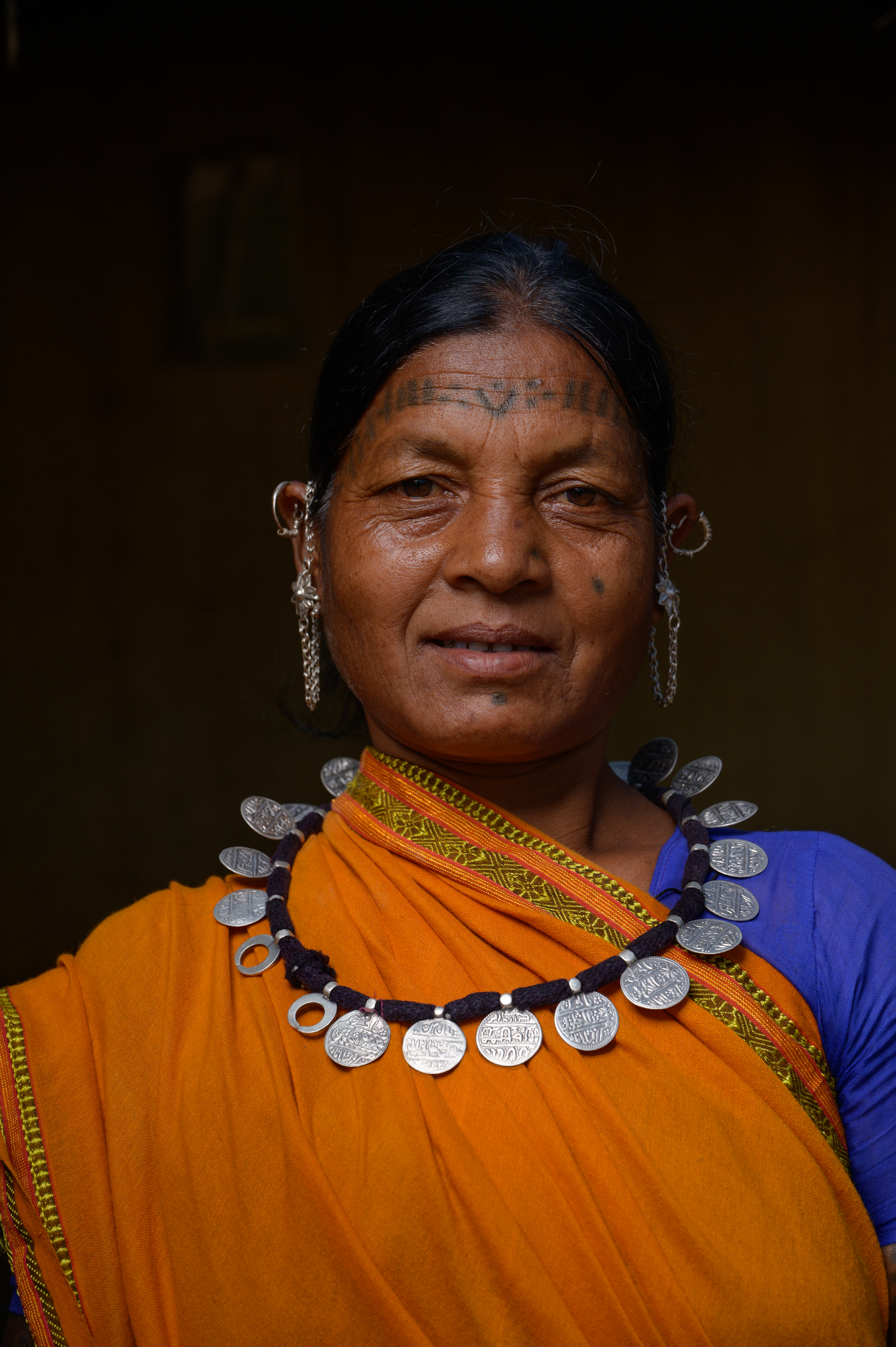
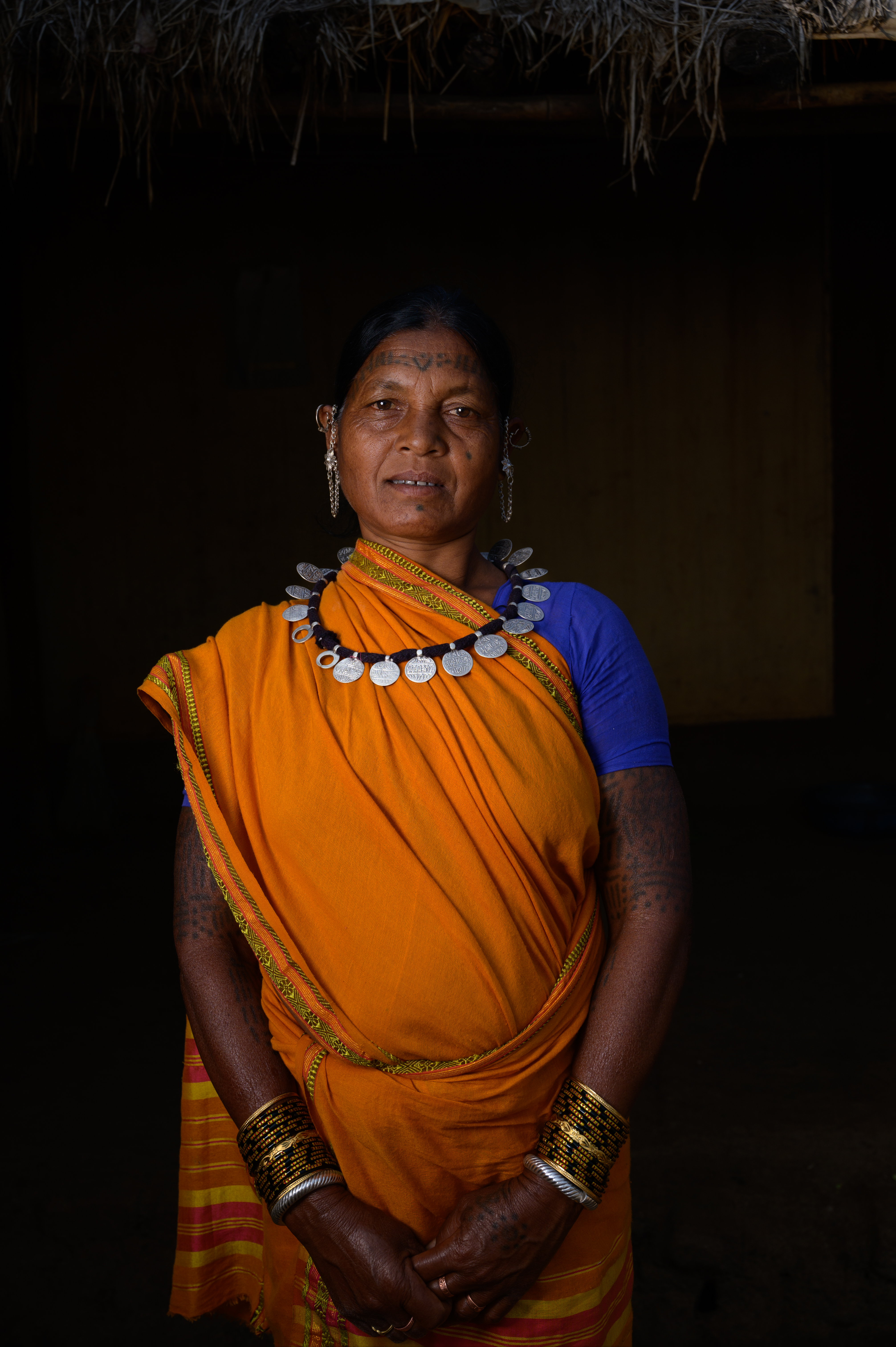
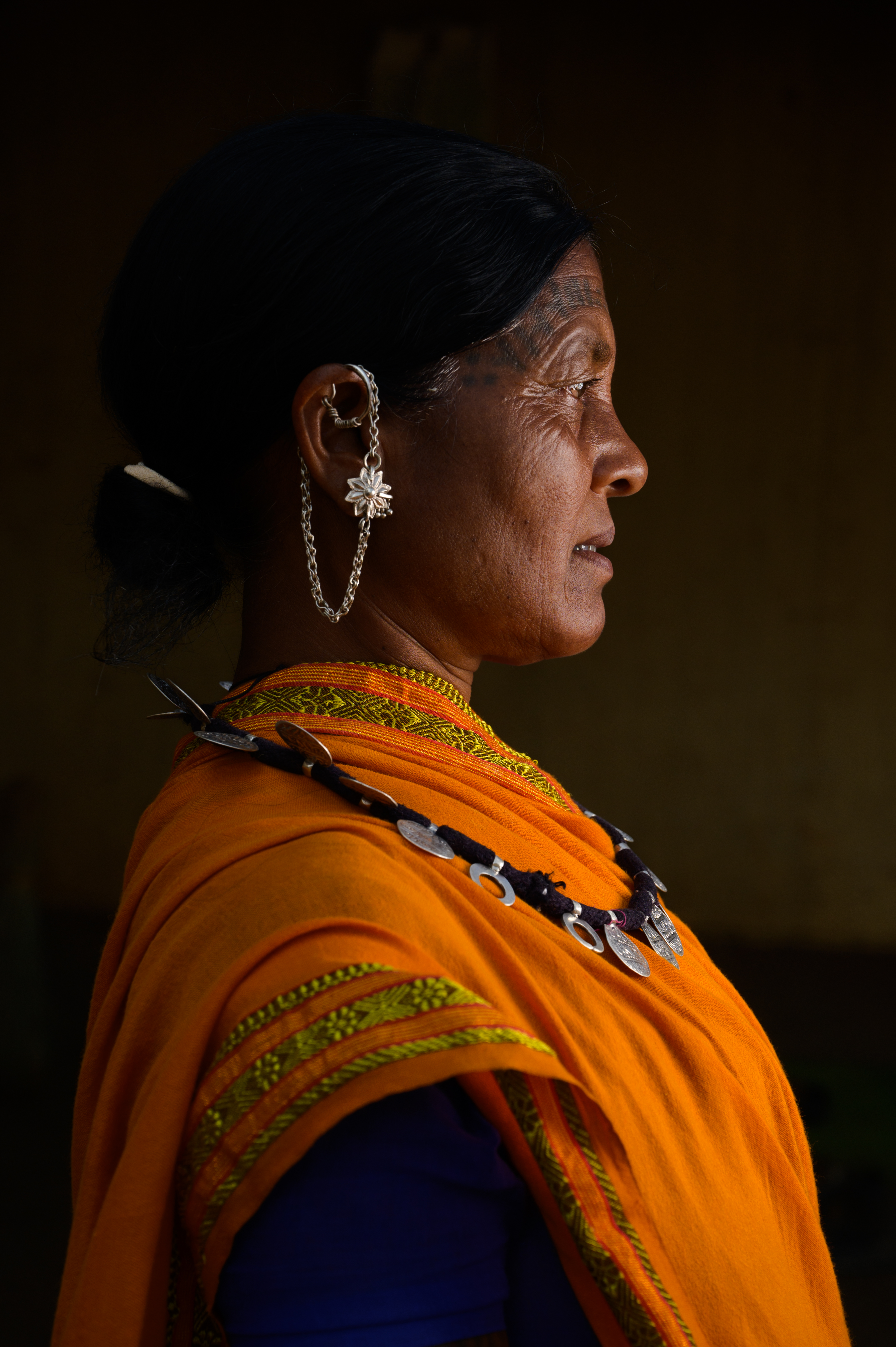
One of the most striking aspects of Baiga culture is their body art and ornamentation. Baiga women are known for their elaborate tattoos, called “Godna,” which are deeply spiritual and symbolic. These tattoos, often covering the arms, legs, and forehead, are considered rites of passage and are believed to protect the wearer from evil and sickness. Each pattern carries specific cultural meanings, often passed down through generations.
Equally distinctive is their jewelry, which is largely handmade using natural and locally sourced materials. Women wear large bead necklaces, coin-studded ornaments, and earrings made of brass or silver. The jewelry is not merely decorative but signifies social and marital status. Men, too, may wear jewelry, though it is less elaborate. Together, the tattoos and ornaments reflect the Baiga’s identity, spirituality, and their deep-rooted connection to nature and tradition.
 pranavom